
Introduction:
Arthritis is one of those conditions that quietly creeps into daily life. Initially, it may just feel like a little stiffness in the morning hours or mild pain after a long day. But slowly, things like climbing stairs, opening jars, bending your knees, or even walking for a short distance can become uncomfortable and challenging.
In today’s fast-paced lifestyle, long working hours, lack of exercise, stress, and even old injuries can make your joint health weaker. As a result, more people are experiencing arthritis these days than before. The condition can affect everyday tasks like walking, holding objects, or even getting a good sleep.
The positive side is that arthritis is manageable. With early diagnosis, proper treatment, and a few lifestyle changes, many people are able to reduce pain, improve mobility, and enjoy a comfortable, active life.
Causes of Arthritis:
Arthritis can develop due to several key factors. Understanding these major causes helps in prevention and early treatment to lead a healthy life:
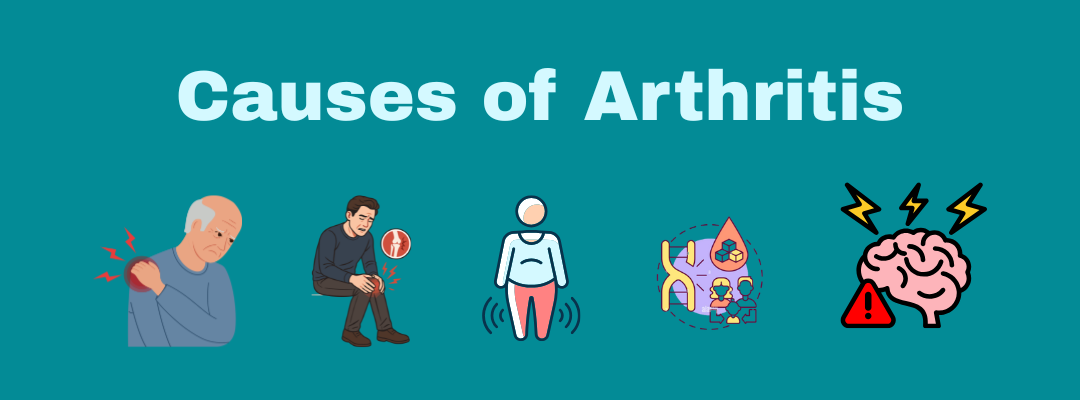
1. Age and Natural Wear & Tear:
As we grow older, the cartilage that cushions our joints slowly wears down, leading to pain, stiffness, and osteoarthritis. This is especially common in weight-bearing joints like the knees and hips. Over time, even simple movements can become uncomfortable as the joints lose their natural shock absorption.
2. Joint Injuries:
Previous injuries, even those that seemed minor, can weaken a joint and make it more vulnerable. Over the years, these damaged joints are more likely to develop arthritis. People with old sports injuries or accidents often notice stiffness or pain returning as they age.
3. Autoimmune Disorders:
In some people, the immune system mistakenly attacks the joints. This leads to inflammation, swelling, and persistent pain. Rheumatoid arthritis is a common autoimmune condition, and early treatment is important to prevent long-term joint damage.
4. Excess Weight:
Extra body weight puts added pressure on joints, especially the knees, hips, and ankles. This constant strain speeds up cartilage wear and increases the risk of arthritis. Losing even a few kilos can greatly reduce joint stress and improve movement.
5. Genetics and Family History:
If arthritis runs in your family, your chances of developing it are higher. Some people inherit weaker cartilage structures or a tendency for inflammation. Knowing your family history helps you stay alert and catch symptoms early.
6. Repetitive Stress or Overuse:
Repeating the same movement every day, whether at work, while exercising, or during daily activities, can slowly damage a joint. Over time, this repeated stress can lead to pain and arthritis. Taking short breaks and using proper posture can protect your joints in the long run.
Symptoms of Arthritis:
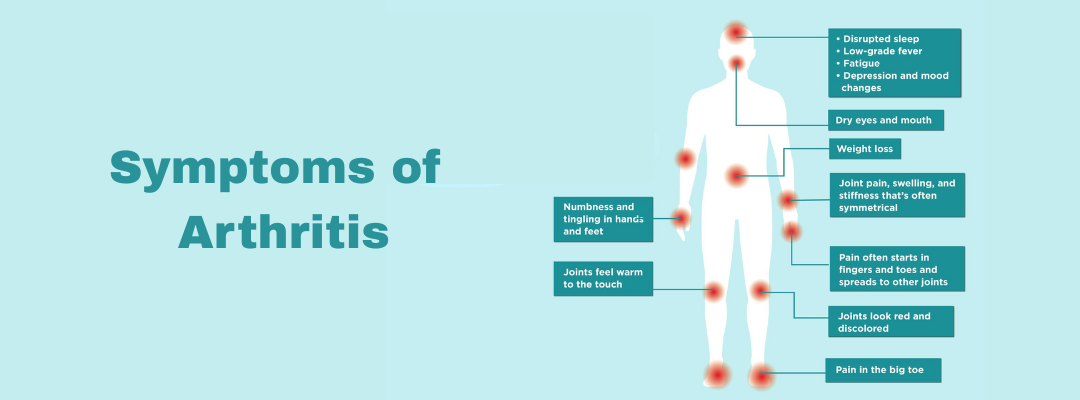
Recognising the symptoms of arthritis early is key to starting the right arthritis treatment and preventing further joint damage. While symptoms can vary depending on the type of arthritis, some common signs include:
1. Joint Pain and Tenderness:
Joint pain is usually the first sign that something is wrong. The pain may start mildly and slowly increase over time, especially in the knees, fingers, hips, or wrists. Many people notice that the pain becomes sharper during activities like walking or lifting objects. Even after resting, the discomfort may return, making daily tasks feel harder than usual.
2. Stiffness, Especially in the Morning:
Morning stiffness is a classic indicator of arthritis. After waking up, joints may feel tight, difficult to move, or “locked.” This stiffness usually improves as you start moving around, but if it lasts more than 30 minutes, it could signal inflammatory arthritis. Sitting for long periods can also trigger stiffness, making it uncomfortable to stand or stretch immediately.
3. Swelling and Redness:
Inflamed joints often look swollen, warm, and slightly red. This happens when the joint lining becomes irritated and produces excess fluid. Swelling may come and go, but during flare-ups, it can feel tender and sensitive to touch. These visible signs are more common in autoimmune arthritis, such as rheumatoid arthritis.
4. Reduced Range of Motion:
Arthritis can make it harder to bend, stretch, or move a joint fully. Simple activities like climbing stairs, squatting, or opening jars may start feeling difficult. Over time, limited movement can affect flexibility and impact your daily routine. Early treatment helps prevent long-term stiffness and keeps the joints functioning better.
5. Grinding or Popping Sounds:
A grinding or popping sound when moving a joint may indicate that the protective cartilage is wearing away. Without enough cushioning, the bones start rubbing against each other, creating noise and discomfort. These sounds are commonly found in osteoarthritis and tend to worsen with repeated movement.
6. Fatigue and Weakness:
Some forms of arthritis, especially autoimmune types, can cause constant tiredness and a general feeling of weakness. This fatigue may not improve even after proper sleep. Everyday tasks like walking, climbing stairs, or carrying items may feel more tiring than usual. This happens because inflammation affects the body’s energy levels and overall strength.
Diagnosis for Arthritis:
Getting the right diagnosis is the first and most important step in treating arthritis effectively. It helps your doctor understand the root cause of your symptoms and create a treatment plan that reduces pain, protects your joints, and improves mobility.
1. Physical Examination
During the physical examination, the doctor carefully checks your joints for swelling, redness, and tenderness. They may gently move the joints to see how much flexibility and stability you have. This helps identify which joints are affected and how advanced the condition might be. A detailed examination also helps rule out other causes of joint pain.
2. Medical History
Your doctor will ask questions about when your pain started, how long the stiffness lasts, and whether your symptoms worsen with activity or rest. They may also ask about old injuries, medical conditions, and your family history. Understanding these patterns helps the doctor determine whether it is osteoarthritis, rheumatoid arthritis, or another type of joint issue.
3. Imaging Tests (X-rays, MRI, Ultrasound)
Imaging tests provide a clearer picture of what’s happening inside your joints. X-rays are used to detect cartilage loss, bone changes, or narrowing of the joint space. MRI scans offer a detailed view of soft tissues like ligaments, cartilage, and tendons. Ultrasound helps identify inflammation, fluid build-up, and early joint damage. Together, these tests help doctors make a more accurate diagnosis.
4. Laboratory Tests
Blood tests are often recommended to check for signs of inflammation or autoimmune activity. Tests such as Rheumatoid Factor (RF) and anti-CCP antibodies help detect rheumatoid arthritis. ESR and CRP levels show how much inflammation is present in the body. These results, combined with symptoms and imaging, give a clear understanding of the type of arthritis.
5. Early Diagnosis Matters
Detecting arthritis early can significantly improve long-term outcomes. Early treatment helps slow down joint damage, reduce pain, and maintain mobility. It also gives patients a better chance of managing symptoms with simple lifestyle changes and timely medical care. The sooner arthritis is diagnosed, the easier it becomes to control and treat effectively.
Arthritis Treatment:
Arthritis can make daily tasks like walking, climbing stairs, or even holding objects painful. The good news is that with the right arthritis treatment, most people can manage pain, improve joint movement, and continue living an active life.
Non-Surgical Treatment
Most arthritis cases can be managed without surgery:
- Medications: Pain relievers and anti-inflammatory drugs reduce discomfort and swelling.
- Physiotherapy: Exercises strengthen muscles around the joints, improve flexibility, and reduce stiffness.
- Lifestyle Changes: Maintaining a healthy weight, doing low-impact exercises, and following an anti-inflammatory diet help reduce joint stress.
- Joint Support: Braces or supports reduce pressure on affected joints.
- Injections: Corticosteroid or hyaluronic acid injections can provide temporary relief for painful joints.
Surgical Treatment:
Surgery may be considered when non-surgical methods aren’t enough:
- Arthroscopy: A minimally invasive procedure to clean or repair the joint.
- Joint Realignment (Osteotomy): Shifts weight away from the damaged part of the joint.
- Joint Replacement Surgery: For knees, hips, or shoulders where cartilage is severely worn out, replacing the joint can restore mobility and reduce pain.
Choosing the Best Doctor for Arthritis Treatment in Hyderabad:
The success of arthritis treatment depends a lot on the doctor you choose. A skilled orthopaedic specialist not only performs procedures accurately but also guides you through diagnosis, treatment, and recovery.
When selecting a doctor, look for:
- Experience and Expertise: Years of practice in managing arthritis and joint problems.
- Patient Reviews and Success Stories: Real feedback builds confidence in their care.
- Advanced Techniques: Doctors using modern methods, minimally invasive procedures, and personalised care often achieve better outcomes.
- Clear Communication: A doctor who listens to your concerns and explains each step clearly.
Dr Aravind Gandra, one of the most trusted orthopaedic specialists in Hyderabad, has extensive experience in providing effective arthritis treatment in Hyderabad. With his expertise and compassionate approach, he ensures that every patient receives personalised care and the right arthritis treatment tailored to their specific needs.
Choosing the Best Hospital for Arthritis Treatment in Hyderabad:
The hospital where you receive treatment is just as important as the doctor. A good hospital provides:
- Advanced Diagnostics: Imaging tools like X-rays, MRI, and ultrasound for accurate diagnosis.
- State-of-the-Art Facilities: Modern equipment for surgeries and minimally invasive procedures.
- Physiotherapy and Rehabilitation Support: On-site therapy helps patients recover faster.
- Safe and Comfortable Environment: Ensures a smooth treatment and recovery experience.
Cure Clinic, Chandanagar, Hyderabad, is known for its patient-focused care and advanced facilities. With expert guidance from Dr Aravind Gandra and a dedicated medical team, patients can undergo arthritis treatment in Hyderabad safely and effectively, with strong support during recovery.
Rehabilitation and Recovery After Arthritis Treatment:
Recovery plays a huge role in how well your joints heal and how quickly you return to everyday activities. After arthritis treatment, rehabilitation usually includes a mix of physiotherapy, gentle exercises, lifestyle changes, and regular follow-up visits.
A good rehab program helps you:
- Reduce joint stiffness and improve flexibility
- Strengthen the surrounding muscles so your joint gets better support
- Regain mobility and perform daily tasks comfortably
- Prevent flare-ups with guided movement and posture correction
Prevention Tips for Arthritis:
While arthritis can’t always be fully prevented, a few daily habits can significantly reduce risks and slow down progression:
- Maintain a healthy weight to reduce pressure on major joints.
- Stay active with low-impact exercises like walking, stretching, or swimming.
- Eat a balanced diet rich in calcium, omega-3 fats, and anti-inflammatory foods.
- Protect joints by using the right posture and avoiding overuse.
- Take breaks during repetitive tasks to minimise strain.
- Stay hydrated to keep joints lubricated.
- Follow your medication schedule if prescribed.
Conclusion:
Arthritis can affect your daily life, but with the right care, guidance, and timely arthritis treatment, it’s absolutely possible to reduce pain, strengthen your joints, and regain active movement. Early diagnosis, consistent rehabilitation, and expert medical support are key to long-lasting relief.
With experienced specialists like Dr Aravind Gandra and advanced care at Cure Clinic, Chandanagar, patients receive personalised treatment plans designed to improve mobility, comfort, and quality of life. Taking proactive steps today can help you stay active, independent, and pain-free for years to come.