Back pain isn’t just discomfort; it can stop you from doing the things you love. Whether it’s sitting at your desk, driving, bending down, or simply getting a good night’s sleep, persistent back or neck pain can take a toll on your daily life. While many spine conditions improve with medications, physiotherapy, and lifestyle changes, some continue to worsen despite these treatments.
If your pain is caused by a slipped disc, spinal stenosis, or nerve compression, you may be wondering whether surgery is the next step. The good news is that spine surgery has advanced significantly over the years. Today, minimally invasive techniques can treat many spine conditions with less pain, smaller incisions, and faster recovery than traditional surgery.
In this article, we’ll answer the most common questions patients have about Endoscopic Spine Surgery, including when it’s recommended, its benefits, the recovery process, potential risks, and how to know if it’s the right treatment for your condition.
What Is Endoscopic Spine Surgery?
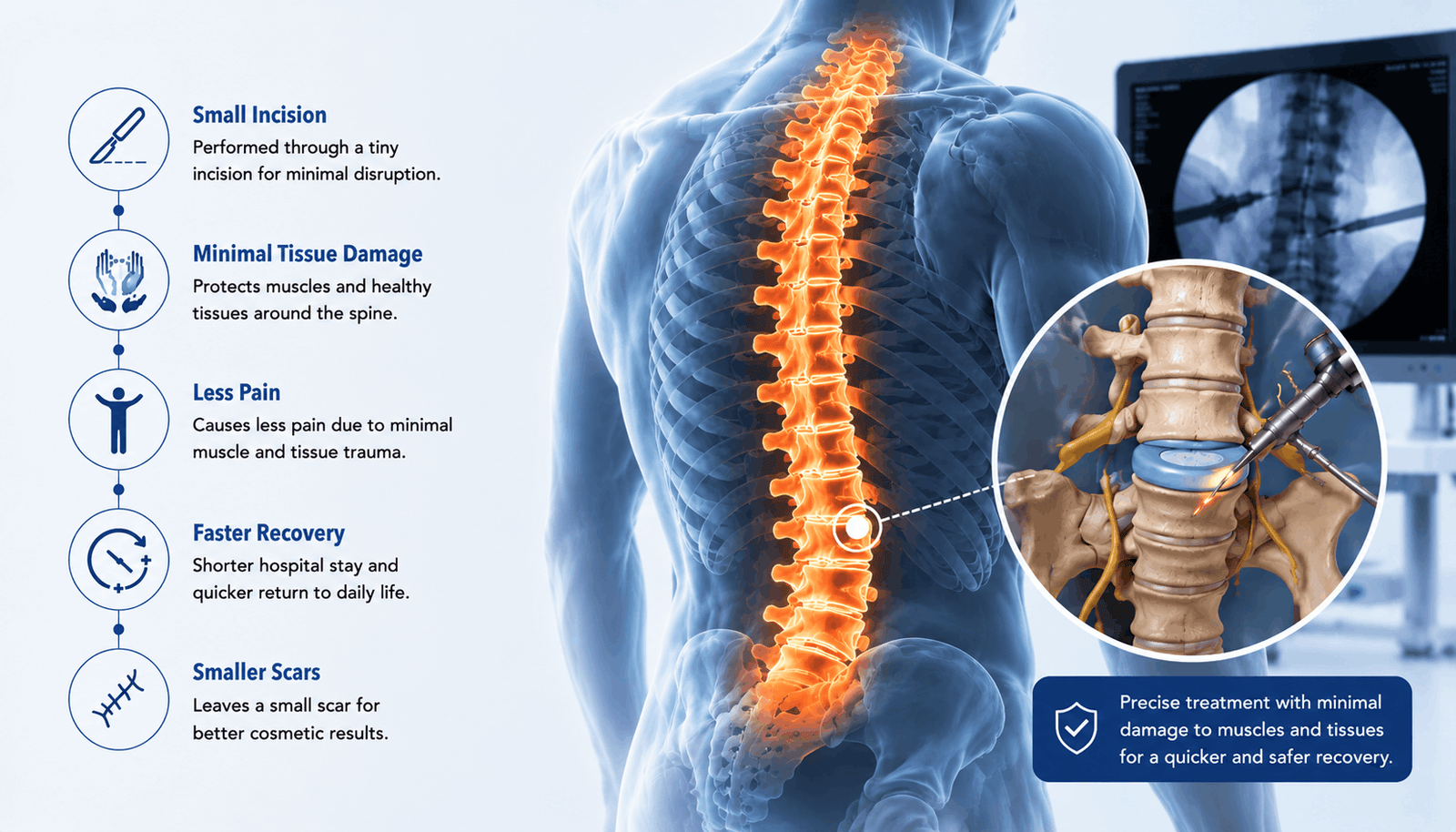 Endoscopic Spine Surgery is a modern minimally invasive procedure used to treat various spine conditions, including slipped discs, spinal stenosis, sciatica, and nerve compression. It is performed through a small incision using a thin tube with a high-definition camera (endoscope) and specialized surgical instruments.
The endoscope provides a clear view of the affected area, allowing the surgeon to treat the problem with precision while preserving the surrounding muscles and healthy tissues. Compared to traditional open spine surgery, this approach often results in less pain, smaller scars, a shorter hospital stay, and a faster recovery.
However, not every patient is a suitable candidate. A detailed evaluation by an experienced spine specialist is essential to determine the most appropriate treatment option.
Who Needs Endoscopic Spine Surgery?
A spine specialist may recommend Endoscopic Spine Surgery for people who have persistent spine-related symptoms that do not improve with conservative treatments such as medications, physiotherapy, or lifestyle modifications. You may be a suitable candidate if you have:
- A slipped (herniated) disc causing back pain or sciatica.
- Spinal stenosis (narrowing of the spinal canal) causing pain, numbness, or difficulty walking.
- Sciatica with pain radiating from the lower back to the leg.
- Nerve compression causing numbness, tingling, or weakness in the arms or legs.
- Persistent neck or back pain that has not improved despite non-surgical treatment.
- Difficulty performing daily activities due to ongoing spine pain.
- MRI or CT scan findings that correlate with your symptoms and indicate a condition suitable for minimally invasive surgery.
Signs and Symptoms May Require Endoscopic Spine Surgery
Persistent back or neck pain is not always a normal part of aging or physical activity. In some cases, these symptoms may indicate an underlying spine condition that requires medical attention. If the pain is accompanied by numbness, tingling, muscle weakness, or difficulty walking, it is important to consult a spine specialist.
Some common signs and symptoms include:
- Persistent back pain that does not improve with non-surgical treatments like medications or physical activities.
- Chronic neck pain that affects your neck movement.
- Pain radiating to the arms or legs, which may be caused by compressed spinal nerves.
- Muscle weakness in the arms or legs makes it difficult to lift objects, walk, or perform routine activities.
- Numbness or tingling in the arms, hands, legs, or feet.
- Difficulty walking or maintaining balance due to nerve compression or spinal problems.
Conditions Treated with Endoscopic Spine Surgery
 Endoscopic Spine Surgery is an advanced minimally invasive procedure used to treat several spine conditions that cause persistent pain, numbness, tingling, or weakness. When conservative treatments such as medications, physiotherapy, or injections fail to provide adequate relief, Endoscopic Spine Surgery may be considered as a treatment option.
Endoscopic Spine Surgery can treat the following spine conditions:
1. Herniated Disc (Slip Disc)
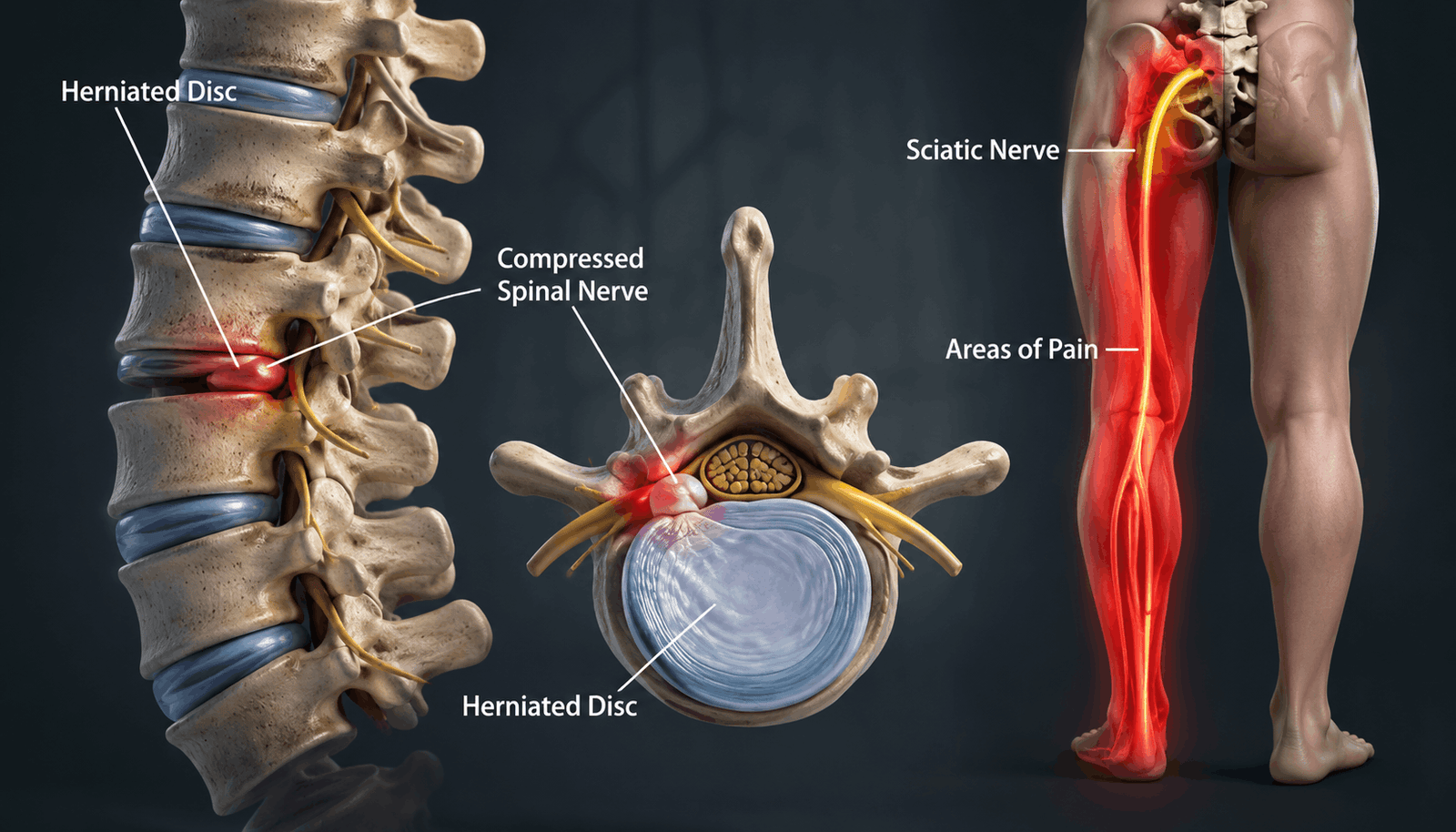
A herniated disc is also called a slipped or ruptured disc. A herniated disc occurs when the soft inner portion of a spinal disc pushes through its outer layer and presses on nearby nerves. This can cause back pain, leg pain, numbness, or weakness.
2. Sciatica
Sciatica is a painful condition caused by the compression or irritation of the sciatic nerve, the largest nerve in the human body. The pain originates in the lower back into the buttocks and legs.
3. Spinal Stenosis
Spinal stenosis is the narrowing of the spaces within the spine, which can compress the spinal cord or nerves. It most commonly affects the lower back (lumbar stenosis) or neck (cervical stenosis). This may result in pain, tingling, numbness, or difficulty walking.
4. Nerve Compression
Nerve compression in the spine is often referred to as a pinched nerve or radiculopathy. When a spinal nerve becomes compressed due to a disc problem or other spinal condition, it can lead to persistent pain, weakness, or altered sensation. Endoscopic Spine Surgery may help relieve the pressure on the affected nerve.
How Is Endoscopic Spine Surgery Performed?
 The spine specialist may recommend Endoscopic Spine Surgery after a thorough evaluation of the patient’s symptoms, diagnosis and overall health. The exact surgical technique depends on the underlying spine condition, the affected area of the spine, and the patient’s individual treatment needs.
1. Preoperative Assessment
Once the procedure has been recommended, the spine specialist carefully plans the surgery using the patient’s medical history, physical examination findings, and diagnostic imaging such as MRI or CT scans. This helps identify the exact location of the problem and determine the most appropriate surgical approach.
2. Using the Endoscope
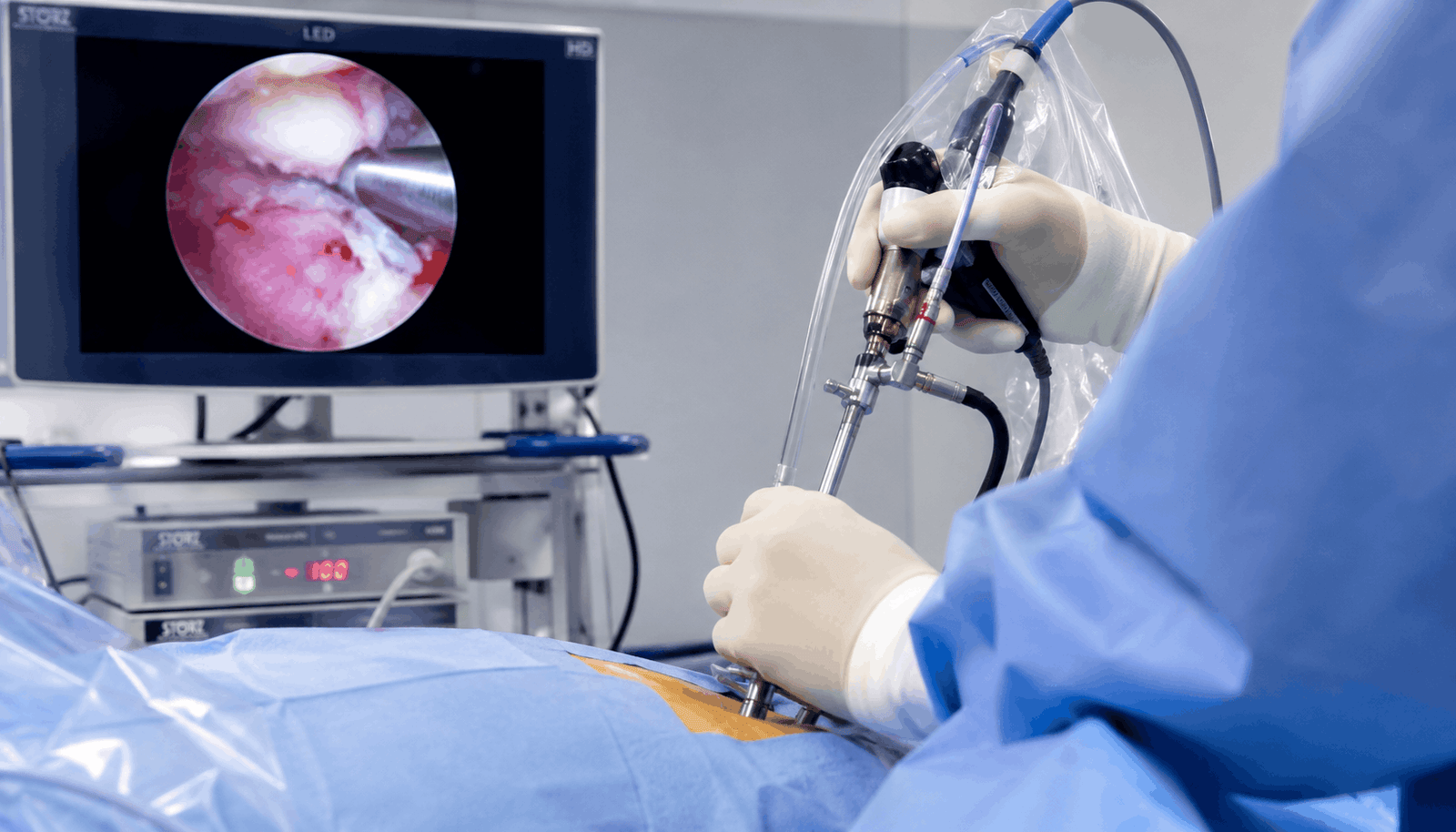
After the small incision is made, the surgeon carefully inserts an endoscope into the affected area of the spine. The endoscope is equipped with a small camera that provides a clear view of the surgical site on a monitor. This helps the surgeon accurately identify the affected structures and perform the procedure with greater precision while minimizing disruption to the surrounding muscles and tissues.
3. Treating the Underlying Cause
After identifying the source of the problem, the surgeon uses specialized surgical instruments to treat the underlying cause of the symptoms. Depending on the patient’s condition, this may involve relieving pressure on compressed nerves, removing a herniated disc fragment, or creating more space around the affected nerve.
4. Closing the Incision
Once the surgery is completed, the surgeon removes the instruments and endoscope carefully. The patient is then moved to the recovery area, where the medical team monitors their condition before they are discharged. The duration of hospital stay may vary depending on the patient’s condition and the type of procedure performed.
Benefits of Endoscopic Spine Surgery
For many patients, Endoscopic Spine Surgery can provide significant relief from persistent spine-related symptoms when conservative treatments are no longer effective. Because it is a minimally invasive procedure, it offers several potential benefits that can support a smoother recovery and improved quality of life.
Some of the key benefits include:
- Reduced postoperative pain: Minimal disruption to the surrounding muscles and tissues may result in less pain after surgery.
- Smaller incision: The procedure uses a small incision which leaves smaller scars.
- Quicker recovery: The minimally invasive procedure may allow faster recovery when compared to traditional open spine surgery.
- Minimal blood loss: This procedure helps to reduce blood loss.
Risks and Possible Complications
Like any surgical procedure, Endoscopic Spine Surgery carries certain risks and potential complications, although they are generally less common due to its minimally invasive approach.
- General Surgical Risks: As with most surgical procedures, there is a small risk of infection, bleeding, blood clots, or reactions to anesthesia.
- Nerve Complications: The procedure is performed close to the spinal nerve, so there is a possibility of nerve irritation, weakness or persistent pain.
- Recovery-Related Concerns: Recovery varies from one patient to another. Following your spine specialist’s advice, taking prescribed medications, and attending follow-up appointments are important for a smooth recovery.
Recovery After Endoscopic Spine Surgery
Recovery after Endoscopic Spine Surgery varies from patient to patient and depends on factors such as the underlying spine condition, the type of procedure performed, and the individual’s overall health. Since the procedure is minimally invasive, many patients may experience a smoother recovery compared to traditional open spine surgery.
- Managing Post-Surgical Discomfort: Mild pain or soreness after the procedure is common and usually improves gradually with prescribed medications and proper care.
- Gradual Return to Activities: Patients can slowly resume daily activities as recommended by their spine specialist while avoiding excessive strain during the healing period.
- Physiotherapy and Rehabilitation: If advised, physiotherapy can help improve strength, flexibility, mobility, and support long-term recovery.
- Follow-Up Care: Regular follow-up appointments help monitor healing progress and ensure that recovery is progressing as expected.
Choosing the Best Doctor for Endoscopic Spine Surgery in Hyderabad
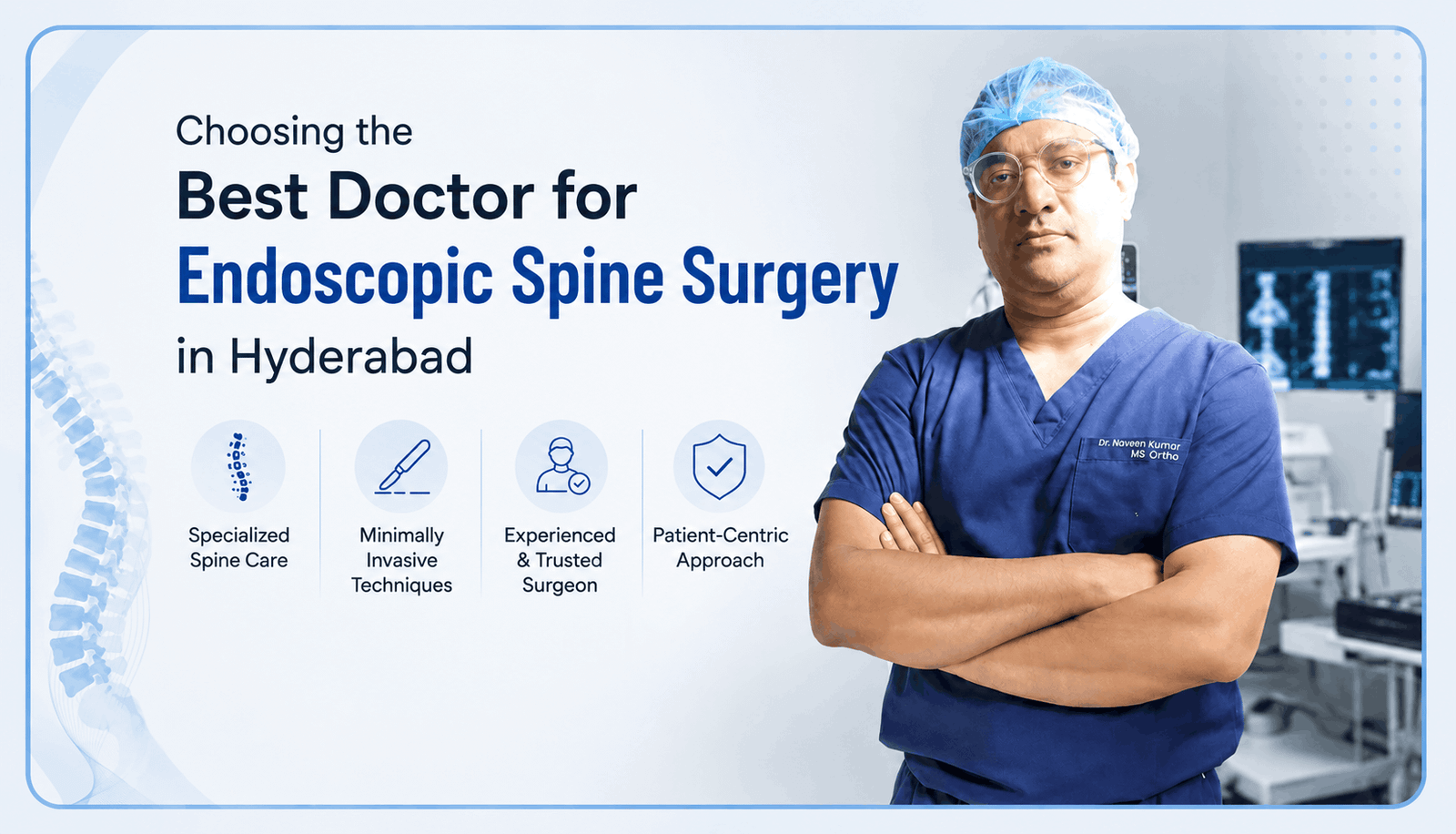 Choosing the right spine specialist plays a crucial role in the success of Endoscopic Spine Surgery. An experienced surgeon with expertise in advanced minimally invasive techniques can accurately evaluate the condition, recommend the right treatment approach, and provide proper guidance before and after the procedure.
When choosing a doctor for endoscopic spine surgery, patients should consider:
- Experience in minimally invasive spine procedures: A surgeon with expertise in endoscopic techniques can provide an accurate diagnosis and appropriate treatment options.
- Expertise in advanced spine care: Knowledge of modern surgical approaches helps doctors manage different spine conditions effectively.
- Patient-focused approach: A good spine specialist explains the procedure, benefits, risks, and recovery process clearly while addressing patient concerns.
- Comprehensive post-surgery support: Proper follow-up care and rehabilitation guidance are important for long-term recovery.
Not everyone with spine pain requires surgery. If your symptoms persist despite conservative treatment, consulting an experienced spine specialist can help you understand the underlying cause and explore the most suitable treatment options. Dr. Aravind Gandra at Cure Super Speciality Spine & Orthopedic Hospital, Chandanagar, Hyderabad, provides comprehensive evaluation and personalized treatment for a wide range of spine conditions.
Frequently Asked Questions About Endoscopic Spine Surgery
1. Is Endoscopic Spine Surgery better than traditional open spine surgery?
For many patients, Endoscopic Spine Surgery offers advantages such as smaller incisions, less muscle damage, reduced pain, shorter hospital stays, and faster recovery. However, the best surgical approach depends on your specific spine condition and your surgeon’s recommendation.
2. How do I know if I really need Endoscopic Spine Surgery?
If your back or neck pain continues despite medications, physiotherapy, and other non-surgical treatments, or if you have numbness, weakness, or sciatica caused by nerve compression, your spine specialist may recommend Endoscopic Spine Surgery after reviewing your MRI and clinical examination.
3. Can Endoscopic Spine Surgery cure a slipped disc?
Yes, Endoscopic Spine Surgery is commonly performed to treat slipped (herniated) discs. By relieving pressure on the affected nerve, it can significantly reduce pain, numbness, and weakness. The outcome depends on the severity of the condition and timely treatment.
4. Is Endoscopic Spine Surgery painful?
Most patients experience less pain compared to traditional open spine surgery because the procedure involves a small incision and minimal disruption to muscles and surrounding tissues. Mild discomfort during recovery is normal and usually improves within a few days.
5. How long does it take to recover after Endoscopic Spine Surgery?
Recovery varies from person to person, but many patients are able to walk within a few hours after surgery and gradually return to their normal activities within a few weeks by following their surgeon’s advice.
6. Will I be able to walk after Endoscopic Spine Surgery?
In many cases, yes. Patients are encouraged to start walking shortly after surgery under medical supervision, as early movement helps support recovery and reduces the risk of complications.
7. Can Endoscopic Spine Surgery fail?
Like any surgical procedure, no surgery can guarantee 100% success. However, when performed for the right condition by an experienced spine surgeon, Endoscopic Spine Surgery has a high success rate and provides significant symptom relief for many patients.
8. Is Endoscopic Spine Surgery covered by health insurance?
Many insurance providers cover Endoscopic Spine Surgery when it is medically necessary. Coverage depends on your insurance policy, so it’s best to confirm the details with your insurer and the hospital before the procedure.
9. Who is the best doctor for Endoscopic Spine Surgery in Hyderabad?
The best spine surgeon is one with extensive experience in diagnosing spine disorders and performing minimally invasive procedures. Dr. Aravind Gandra, Senior Orthopedic Spine Surgeon at Cure Super Speciality Spine & Orthopedic Hospital, Chandanagar, Hyderabad, specializes in advanced spine care and minimally invasive surgical techniques, providing personalized treatment based on each patient’s condition.
10. How do I choose an experienced spine surgeon in Hyderabad?
Look for a surgeon with specialized training in spine surgery, experience in minimally invasive techniques, a strong track record of treating complex spine conditions, and a patient-centered approach. It’s also important to choose a surgeon who thoroughly evaluates your condition before recommending surgery.
Conclusion
Endoscopic Spine Surgery offers a modern approach to treating spine conditions with minimal disruption to surrounding muscles and tissues. While this procedure can provide significant benefits for suitable patients, choosing the right spine specialist is important for achieving safe and effective outcomes.
With extensive experience in spine treatments and advanced minimally invasive procedures, Dr. Aravind Gandra focuses on accurate diagnosis, personalized treatment plans, and comprehensive care for patients with various spine conditions. Cure Super speciality Ortho & Clinic, Hyderabad, provides advanced orthopedic and spine care with a patient-focused approach to help individuals regain mobility and improve their quality of life.
If you are experiencing persistent back pain, slipped disc problems, or nerve-related symptoms, consulting an experienced spine specialist can help you understand your treatment options. Book a consultation with Dr. Aravind Gandra at Cure Super Speciality Ortho & Spine Clinic and take the first step toward better spine health and improved mobility.