Frozen shoulder is a condition that causes pain, stiffness and reduced movement in the shoulder joint. It develops when the tissue surrounding the joint becomes thick and tight, making it difficult to lift the arm, reach behind the back or perform everyday activities. The condition, also known as adhesive capsulitis, usually develops gradually and may take several months or longer to improve.
In the early stages, shoulder pain may become more noticeable at night or when moving the arm in certain directions. Over time, stiffness can increase and limit normal shoulder movements. Additionally, frozen shoulder is more common in people aged 40 to 60 and is associated with conditions such as diabetes and thyroid disorders. It can also develop after an injury, surgery or a period of reduced shoulder movement.
This article explains the common symptoms and causes of frozen shoulder, its different stages, how it is diagnosed and the treatment options available. It also covers when to consult an orthopedic specialist for frozen shoulder treatment in Hyderabad and how appropriate care can help improve shoulder movement.
What Is Frozen Shoulder?
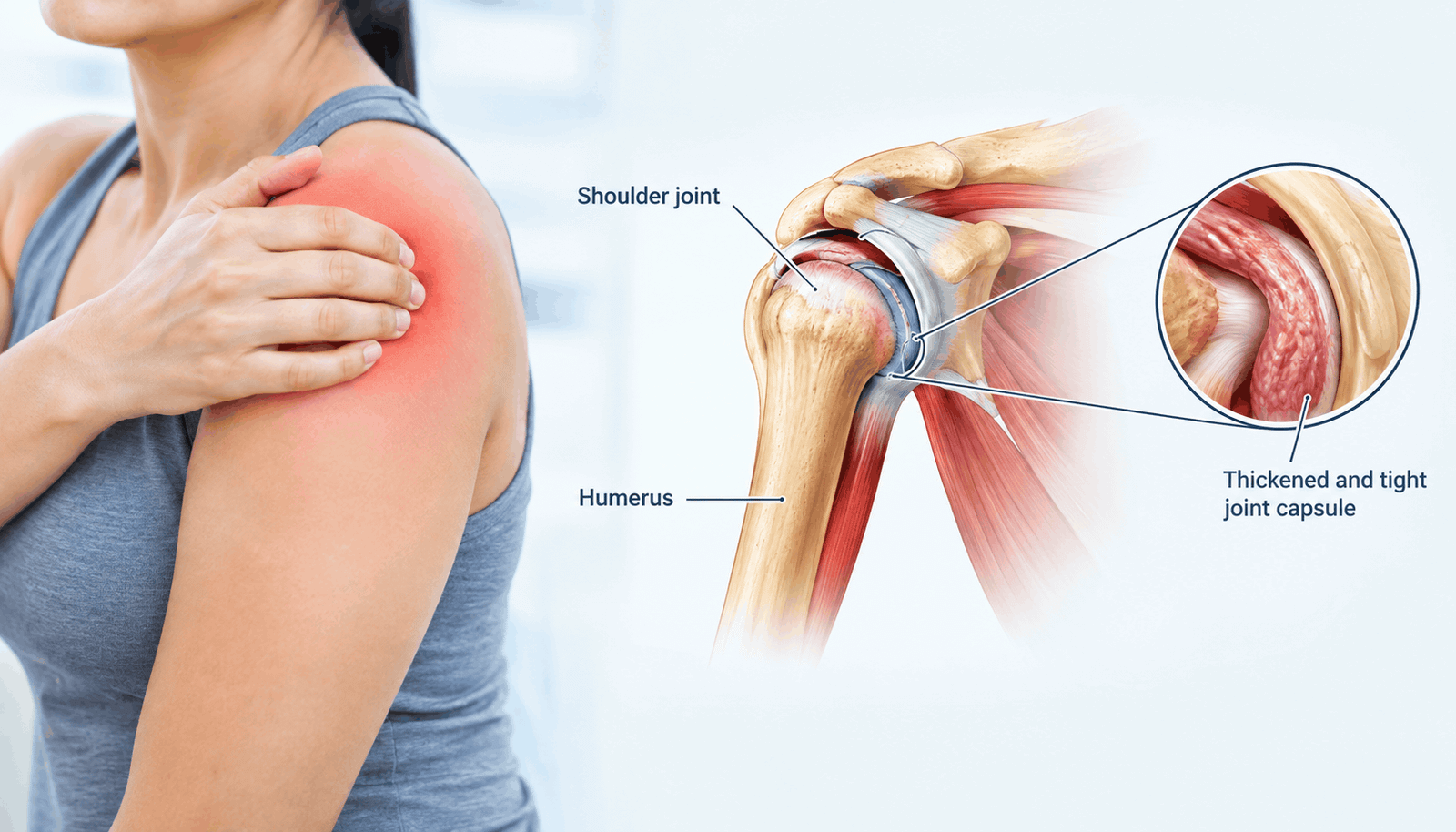 Frozen shoulder, medically known as adhesive capsulitis, occurs when the connective tissue capsule surrounding the shoulder joint becomes inflamed, thickened and tight. This restricts the joint’s movement, leading to pain and stiffness.
Normally, the shoulder allows the arm to move in different directions, including overhead and behind the back. However, as the joint capsule tightens, these movements become increasingly difficult. Unlike ordinary muscle soreness, frozen shoulders can restrict both independent movement and movement when the arm is gently moved with assistance.
Over time, the condition usually develops gradually and progresses through different stages. Although shoulder movement often improves over time, recovery can be slow. Appropriate treatment may help manage pain and restore mobility.
What Are the Symptoms of a Frozen Shoulder?
Frozen shoulder symptoms usually develop gradually, with pain appearing first and stiffness becoming more noticeable over time. The severity can vary, but the condition often affects everyday activities and sleep.
Common symptoms include:
- A dull or aching pain in the shoulder that may extend into the upper arm.
- Pain that worsens at night, particularly when lying on the affected side.
- Difficulty lifting the arm overhead or reaching for objects on a high shelf.
- Trouble reaching behind the back to dress or fasten clothing.
- Reduced shoulder rotation, making certain arm movements difficult.
- Increasing stiffness that interferes with bathing, combing hair or other daily tasks.
However, some people experience more pain in the early stages, while others notice that their shoulder is becoming harder to move. If the pain persists or shoulder movement continues to decrease, an orthopedic assessment can help identify the cause and guide appropriate treatment.
What Causes Frozen Shoulder?
Frozen shoulder develops when the capsule surrounding the shoulder joint becomes inflamed and thickened, restricting movement. The exact cause is not always clear. However, certain health conditions and situations can increase the risk of developing it.
Diabetes and Thyroid Disorders
People with diabetes have a higher risk of frozen shoulder. Thyroid disorders, including an underactive or overactive thyroid, are also associated with the condition. In some cases, people recover more slowly, so managing these conditions properly becomes important.
Shoulder Injury or Surgery
Frozen shoulder can develop after a shoulder injury, fracture or surgery. During recovery, reduced shoulder movement may cause the joint capsule to become stiff, particularly when the arm remains immobile for an extended period.
Prolonged Shoulder Immobility
Keeping the shoulder still for too long because of pain, an injury or another medical condition can increase the risk of stiffness. Following medical advice about safe movement and rehabilitation may help reduce this risk.
Age and Other Risk Factors
Frozen shoulder is most common in people between 40 and 60 years of age and occurs more frequently in women. Certain other medical conditions, including some neurological and cardiovascular disorders, have also been associated with an increased risk.
However, frozen shoulder can occur even without an obvious cause. Having one or more risk factors does not necessarily mean a person will develop the condition.
What Are The Stages of Frozen Shoulder
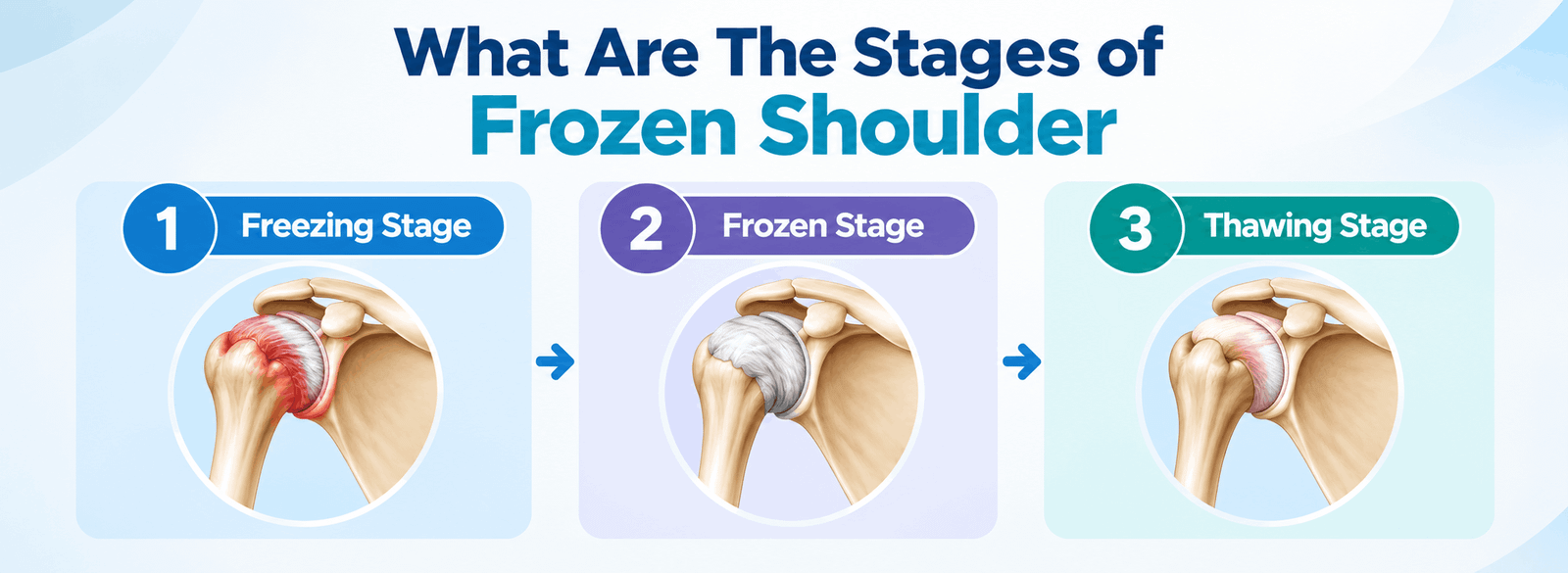 Frozen shoulder typically develops through three stages, with pain and stiffness changing as the condition progresses. However, each stage can last for several months, and the recovery timeline varies from person to person.
Freezing Stage
During this stage, shoulder pain gradually increases, and movement becomes more restricted. Pain may worsen at night, making it difficult to sleep comfortably or move the arm during everyday activities.
Frozen Stage
As the condition progresses, the pain may begin to decrease, but shoulder stiffness becomes more noticeable. Raising the arm, reaching behind the back and rotating the shoulder can remain difficult, even when the pain is less severe.
Thawing Stage
During this stage, shoulder movement gradually improves, and everyday activities become easier. However, regaining full strength and flexibility may take time, and some people continue to experience mild stiffness even as the condition improves.
The stages do not follow the same timeline for everyone. Recovery may take several months to a few years, depending on the severity of the condition and individual progress.
How Is Frozen Shoulder Diagnosed?
Frozen shoulder is usually diagnosed through a review of symptoms and a physical examination. The doctor checks shoulder pain, stiffness and how far the arm can move independently and with assistance. These findings help distinguish frozen shoulder from other conditions that cause shoulder pain and restricted movement.
Tests for Frozen Shoulder
Doctors may order imaging tests to rule out other causes of shoulder pain or stiffness.
- X-rays: Help identify arthritis or other bone-related problems.
- Ultrasound: May help assess the shoulder’s soft tissues when another condition is suspected.
- MRI: May be recommended if the doctor suspects a different shoulder problem or needs further evaluation.
What Are the Treatment Options for Frozen Shoulder?
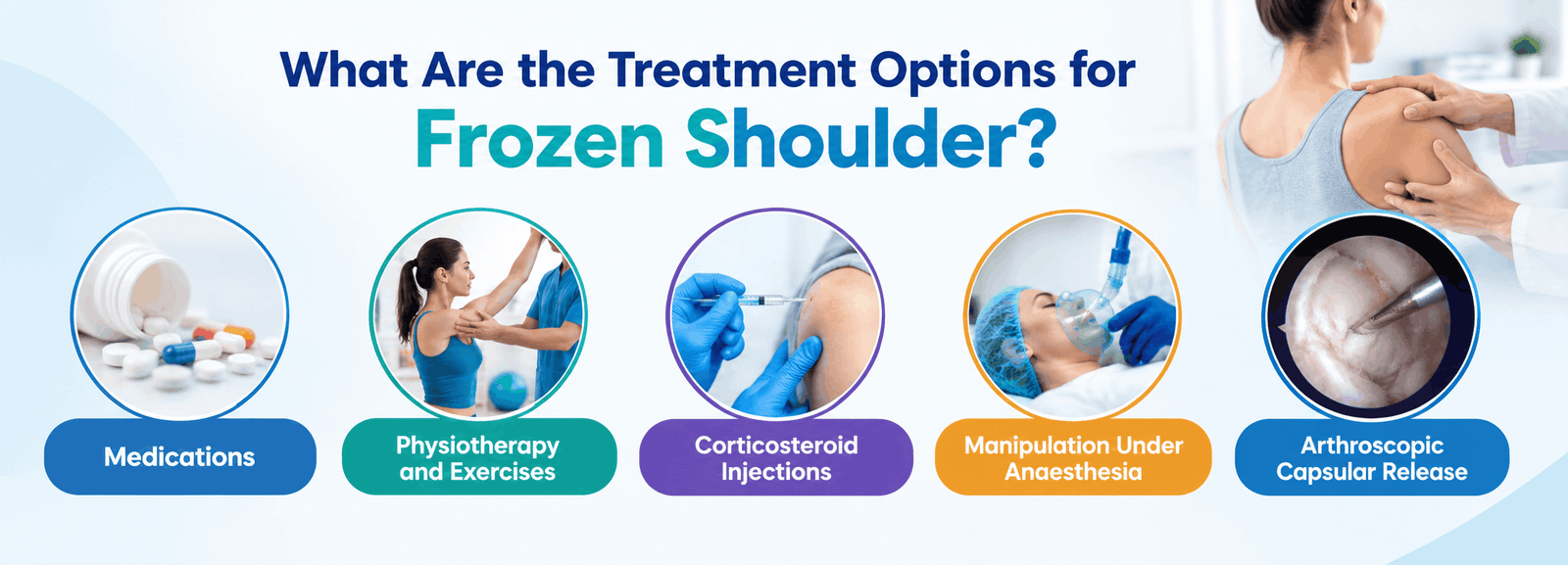 Frozen shoulder treatment aims to reduce pain, improve flexibility and restore shoulder movement. The treatment depends on the severity of symptoms, the stage of the condition and how well the shoulder responds to initial care. Most people improve with non-surgical treatment. However, additional procedures may be considered in severe or persistent cases.
Medications
Doctors may recommend pain-relief or anti-inflammatory medicines to manage shoulder pain and discomfort. The choice of medication depends on the patient’s medical history and other health conditions.
Physiotherapy and Exercises
Gentle stretching and shoulder mobility exercises can help improve flexibility and gradually restore movement. A physiotherapist can recommend suitable exercises based on the stage of the frozen shoulder. Forceful stretching should be avoided if it significantly increases pain.
Corticosteroid Injections
Doctors may inject corticosteroids into the shoulder joint to reduce pain and inflammation, particularly during the early stages of frozen shoulder. The benefits vary, and the treatment may be recommended depending on the severity of symptoms.
Manipulation Under Anaesthesia
If shoulder stiffness remains severe despite other treatments, a doctor may consider manipulation under anaesthesia. During this procedure, the doctor gently moves the shoulder to release restrictions in the joint capsule.
Arthroscopic Capsular Release
In selected cases, the surgeon may perform arthroscopic capsular release when significant stiffness persists despite appropriate treatment. The surgeon uses small instruments and a camera to release tight portions of the shoulder joint capsule and improve movement.
The appropriate treatment varies from person to person. Following medical advice and completing any recommended rehabilitation can help improve shoulder mobility and support recovery.
When Should You See an Orthopedic Specialist?
Shoulder pain that persists or stiffness that gradually worsens may need medical evaluation. Seeking timely advice can help identify the underlying cause and prevent prolonged difficulty with everyday activities.
Consider consulting an orthopedic specialist if you experience:
- Shoulder pain that continues for several weeks.
- Increasing difficulty lifting or rotating your arm.
- Pain that regularly disturbs your sleep.
- Difficulty dressing, bathing or performing daily activities.
- Stiffness that does not improve with initial care.
Seek urgent medical attention for sudden, severe shoulder pain, particularly after an injury, or if you cannot move your arm or notice significant swelling or a change in the shoulder’s shape.
Why Choose Dr. Aravind Gandra for Frozen Shoulder Treatment in Hyderabad?
 Choosing the right orthopedic specialist is important for managing frozen shoulder and improving shoulder mobility. Dr. Aravind Gandra provides orthopedic consultation at Cure Super Speciality Ortho & Clinic, Chandanagar, Hyderabad.
Patients can seek guidance on:
- Individualised assessment and treatment planning.
- Appropriate treatment based on the stage of the frozen shoulder.
- Guidance on recovery and shoulder rehabilitation.
- Follow-up care to monitor progress and mobility.
The treatment approach should be based on each patient’s condition and clinical assessment.
Frequently Asked Questions
1. How long does frozen shoulder take to heal?
Frozen shoulders may take several months to two or three years to improve. Recovery depends on the severity of stiffness, underlying health conditions and response to treatment.
2. Can frozen shoulders go away on its own?
Frozen shoulders may gradually improve without surgery, but recovery can take a long time. Appropriate treatment and guided exercises may help manage pain and improve shoulder movement.
3. What is the fastest way to relieve frozen shoulder pain?
Treatment depends on the stage of the frozen shoulder. A doctor may recommend suitable pain-relief medication, gentle stretching, physiotherapy or, in selected cases, a corticosteroid injection. Avoid forceful exercises that worsen the pain.
4. Can I exercise with a frozen shoulder?
Yes, gentle shoulder exercises are often helpful. However, the exercises should match your level of pain and stiffness. A physiotherapist can guide you on safe movements to improve flexibility without aggravating symptoms.
5. Which doctor should I consult for frozen shoulder treatment
An orthopedic specialist can evaluate shoulder pain and stiffness, confirm the diagnosis and recommend suitable treatment. If shoulder movement is becoming increasingly restricted, an assessment can help determine the next steps.
6. Who is the best doctor for frozen shoulder treatment in Hyderabad?
The right doctor should be able to assess shoulder conditions and recommend treatment based on the patient’s needs. Patients in Hyderabad can consult an orthopedic specialist such as Dr. Aravind Gandra for an assessment of frozen shoulder and guidance on available treatment options.
Conclusion
Frozen shoulders can cause persistent pain and stiffness, making everyday activities such as dressing, reaching overhead and sleeping comfortably difficult. Early diagnosis, appropriate treatment and guided exercises can help manage discomfort and gradually restore shoulder movement.
If shoulder pain or stiffness continues to affect your daily routine, consulting an orthopedic specialist can help you understand the available treatment options. Dr. Aravind Gandra at Cure Super Speciality Ortho & Clinic, Chandanagar, Hyderabad, provides orthopedic consultation to help patients find suitable care based on their individual condition.