
Back pain often improves with simple care, but pain that lasts several weeks, keeps returning or interferes with daily activities may need medical attention. Symptoms such as pain spreading down the legs, numbness or weakness can indicate an underlying spinal problem.
Long hours of sitting, poor posture, heavy lifting and spinal conditions such as a slipped disc can contribute to back pain. Persistent discomfort may affect everyday activities, including walking, working and sleeping.
For those seeking back pain treatment in Hyderabad, identifying the underlying cause is an important first step. A specialist can assess the symptoms and recommend suitable treatment, including non-surgical options when appropriate.
What Is Back Pain?
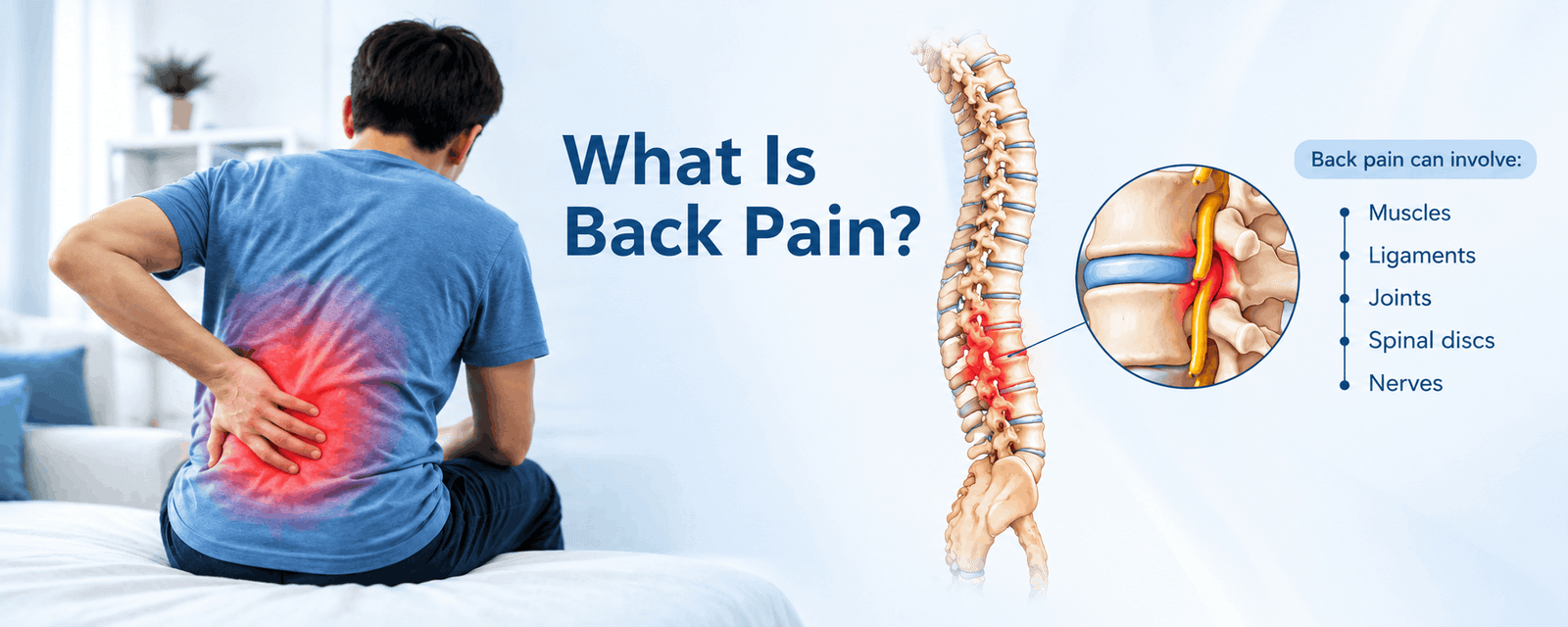 Back pain refers to discomfort in the upper, middle or lower part of the back. It may feel like a dull ache, stiffness or sharp pain that worsens with certain movements. Some people experience occasional discomfort, while others have pain that lasts for weeks or keeps returning.
The pain may involve muscles, ligaments, joints, spinal discs or nearby nerves. Its location, intensity and duration can vary depending on the underlying cause.
What Causes Back Pain?
Discomfort can develop from everyday habits, muscle strain or spinal conditions. Long hours of sitting, poor posture, heavy lifting and injuries can contribute to discomfort. In some cases, age-related changes or disc problems may also be responsible. Identifying the cause helps determine the right treatment.
1. Muscle Strain and Poor Posture
Sitting for long periods, bending repeatedly or lifting heavy objects incorrectly can strain the muscles and ligaments that support the back. Poor posture while working or using a phone may also contribute to discomfort.
2. Slipped Disc
A slipped disc occurs when the soft inner material of a spinal disc pushes through a weakened or damaged outer layer. If the disc irritates or compresses a nearby nerve, it may cause back pain, tingling or pain that travels down the leg.
3. Sciatica
Sciatica occurs when the sciatic nerve or its nerve roots become irritated or compressed. The pain typically travels from the lower back or buttock down one leg and may be accompanied by tingling, numbness or weakness.
4. Age-Related Changes in the Spine
As people age, the discs and joints in the spine may undergo gradual changes. Conditions such as spinal stenosis and arthritis can cause stiffness, discomfort and difficulty standing or walking for long periods.
5. Injuries and Other Medical Conditions
Falls, accidents and sports injuries can damage the muscles, bones or other structures supporting the spine. Back pain may also result from fractures, infections or other medical conditions that need prompt medical evaluation.
What Are the Symptoms of Back Pain?

The symptoms can vary from person to person. Some people experience mild stiffness, while others have sharp pain that makes everyday activities difficult. The discomfort may stay in one area or spread to nearby parts of the body, depending on the underlying cause.
Common symptoms include:
- Aching or stiffness: Discomfort in the upper or lower back, especially after sitting or standing for long periods.
- Pain during movement: Increased discomfort when bending, twisting, lifting or changing positions.
- Pain spreading to the legs: Pain that travels from the lower back into the buttocks or legs may indicate nerve irritation.
- Tingling or numbness: A pins-and-needles sensation or reduced feeling in the legs.
- Muscle weakness: Difficulty walking or weakness in one or both legs.
If the pain persists, worsens or interferes with daily activities, consult a specialist. New bladder or bowel control problems, numbness around the groin, or rapidly developing leg weakness require immediate medical attention.
How Is Back Pain Diagnosed?
Finding the cause of back pain starts with understanding the symptoms and examining the spine. A doctor may ask when the pain began, which movements make it worse and whether it spreads to the legs. The findings help determine whether further tests are needed.
- Physical examination: The doctor checks back movement, muscle tenderness, leg strength, sensation and reflexes.
- X-rays: These may help identify certain bone problems, fractures or changes in the spine.
- MRI scan: An MRI may be recommended when a disc problem, nerve compression or another underlying condition is suspected.
- Additional tests: Blood tests or other investigations may be needed if the symptoms suggest an infection or another medical condition.
The doctor recommends tests based on the symptoms and examination findings to identify the likely cause and plan appropriate treatment.
What Are the Treatment Options for Back Pain?
The right treatment depends on its cause, severity and how it affects daily activities. Many people improve with non-surgical treatments, while surgery may be considered for certain spinal conditions when other treatments do not provide enough relief.
Non-Surgical Treatments
Non-surgical treatments are often the first approach for managing the pain. Depending on the condition, a doctor may recommend:
- Medications: Pain-relieving or anti-inflammatory medicines may help reduce discomfort when prescribed appropriately.
- Physiotherapy: Guided exercises can improve flexibility, strengthen back muscles and support better movement.
- Activity modification: Adjusting activities that worsen the pain while staying gently active may support recovery.
- Heat or cold therapy: Applying a suitable heat or cold pack may help ease stiffness or discomfort.
- Injections: In selected cases, spinal injections may help relieve pain caused by nerve irritation or inflammation.
The right combination depends on the underlying problem and the patient’s response to treatment.
Surgical Treatments
Surgery may be recommended when a specific spinal condition causes persistent, disabling symptoms despite appropriate non-surgical treatment. It may also be necessary when serious nerve compression requires urgent intervention.
Depending on the diagnosis, surgical options may include:
- Discectomy: Removes the portion of a damaged disc pressing on a nerve.
- Laminectomy or decompression surgery: Creates more space for compressed spinal nerves.
- Spinal fusion: Joins two or more vertebrae to provide stability when indicated.
Not everyone with a slipped disc needs surgery. A spine specialist evaluates the symptoms, examination findings and relevant imaging before discussing whether an operation is appropriate.
When Should You See a Specialist for Back Pain?
It does not always require specialist treatment, but certain symptoms should not be ignored. Consider consulting a doctor if you experience:
- Persistent or recurring pain: Discomfort that lasts several weeks or repeatedly returns.
- Pain spreading to the legs: Pain travelling from the lower back into the buttocks or legs.
- Numbness or weakness: Reduced sensation, leg weakness or difficulty walking.
- Pain after an injury: Following a fall, accident or other significant injury.
- Other concerning symptoms: Fever, unexplained weight loss or pain that continues at night should also be evaluated by a medical professional.
Seek emergency medical care if you develop new bladder or bowel control problems, numbness around the groin or rapidly worsening leg weakness. For other persistent or recurring symptoms, a doctor can assess the cause and recommend suitable next steps.
Choosing the Right Specialist for Back Pain Treatment in Hyderabad
 Choosing the right specialist can help you understand the cause of your pain and explore appropriate treatment options. Look for a doctor who evaluates your symptoms carefully, explains the diagnosis clearly and discusses both non-surgical and surgical approaches when relevant.
When choosing a back pain specialist in Hyderabad, consider the following:
- Relevant experience: Experience evaluating and treating spinal conditions.
- Accurate diagnosis: A thorough clinical assessment and appropriate investigations.
- Clear communication: An explanation of the available treatments, their benefits and their risks.
- Recovery guidance: Advice on rehabilitation, follow-up appointments and returning to daily activities.
Dr. Aravind Gandra is an orthopaedic and spine surgeon in Hyderabad. At Cure Super Speciality Ortho & Spine Clinic, Chandanagar, patients can consult the doctor about their symptoms and discuss suitable treatment options. Depending on the diagnosis, care may include medication, physiotherapy or surgery when clinically indicated.
Choosing the Best Hospital for Back Pain Treatment in Hyderabad
Choosing the right healthcare facility for back pain involves more than finding a nearby centre. Look for a facility that can assess spinal conditions, explain treatment options and provide appropriate follow-up care.
For patients seeking back pain treatment in Hyderabad, Cure Super Speciality Ortho & Spine Clinic, Chandanagar, provides a place to consult Dr. Aravind Gandra about back pain and spinal conditions. Patients can discuss their symptoms and explore treatment options based on their individual needs.
When choosing a hospital for back pain, it helps to look for:
- Experienced specialist care for back pain and spinal conditions.
- Proper diagnosis to understand what may be causing the discomfort.
- Treatment options suited to the patient’s condition, including non-surgical approaches where appropriate.
- Guidance during recovery to help patients manage symptoms and return to daily activities.
If your pain keeps returning or starts affecting your daily routine, getting it checked rather than continuing to manage it on your own can be a useful next step. Dr. Aravind Gandra at Cure Super Speciality Ortho & Clinic can assess your symptoms and discuss suitable treatment options.
Frequently Asked Questions
1. When should I see a specialist for back pain?
Consult a specialist if back pain lasts several weeks, keeps returning or interferes with daily activities. Pain with numbness or weakness may need earlier evaluation.
2. Can back pain be treated without surgery?
Yes, many cases improve with non-surgical treatments such as physiotherapy, appropriate medication and activity modification. Surgery may be considered for specific spinal conditions when necessary.
3. Does back pain always require an MRI scan?
No, an MRI is not necessary for every case. A doctor may recommend it when symptoms or examination findings suggest nerve compression or another condition requiring further investigation.
4. Why does lower back pain spread to the legs?
Pain spreading from the lower back to the buttocks or legs may be caused by irritation or compression of a spinal nerve. A medical evaluation can help identify the cause.
5. Why choose Dr. Aravind Gandra for back pain treatment in Hyderabad?
Dr. Aravind Gandra is an orthopaedic and spine surgeon who evaluates back pain and spinal conditions. Patients can discuss their symptoms and explore suitable treatment options based on their individual needs.
Conclusion
Back pain can have several causes, ranging from muscle strain to conditions affecting the spine and nerves. Although many cases improve with non-surgical care, persistent pain, numbness or weakness should be evaluated by a medical professional. Understanding the cause helps patients make informed decisions about treatment.
If you are looking for back pain treatment in Hyderabad, consult Dr. Aravind Gandra at Cure Super Speciality Ortho & Spine Clinic, Chandanagar to discuss your symptoms and available treatment options. A proper assessment can help determine the most appropriate approach for your condition.