
Neck pain is discomfort, stiffness, or soreness in the neck that can develop because of muscle strain, poor posture, injuries, or problems affecting the cervical spine. It may make it uncomfortable to turn or move your head and can sometimes spread to the shoulders or arms. Mild cases often improve with simple care, while persistent or severe symptoms may require medical attention.
Spending long hours at a desk, looking down at a phone, sleeping in an awkward position, or making a sudden movement can strain the neck. In some cases, conditions such as cervical spondylosis, a herniated disc, or a pinched nerve may be responsible for ongoing symptoms.
Understanding the cause of neck pain is important because treatment depends on the underlying problem. This guide explains the common causes, symptoms, diagnosis, treatment options, prevention tips, and when you should consult a doctor.
What Is Neck Pain?
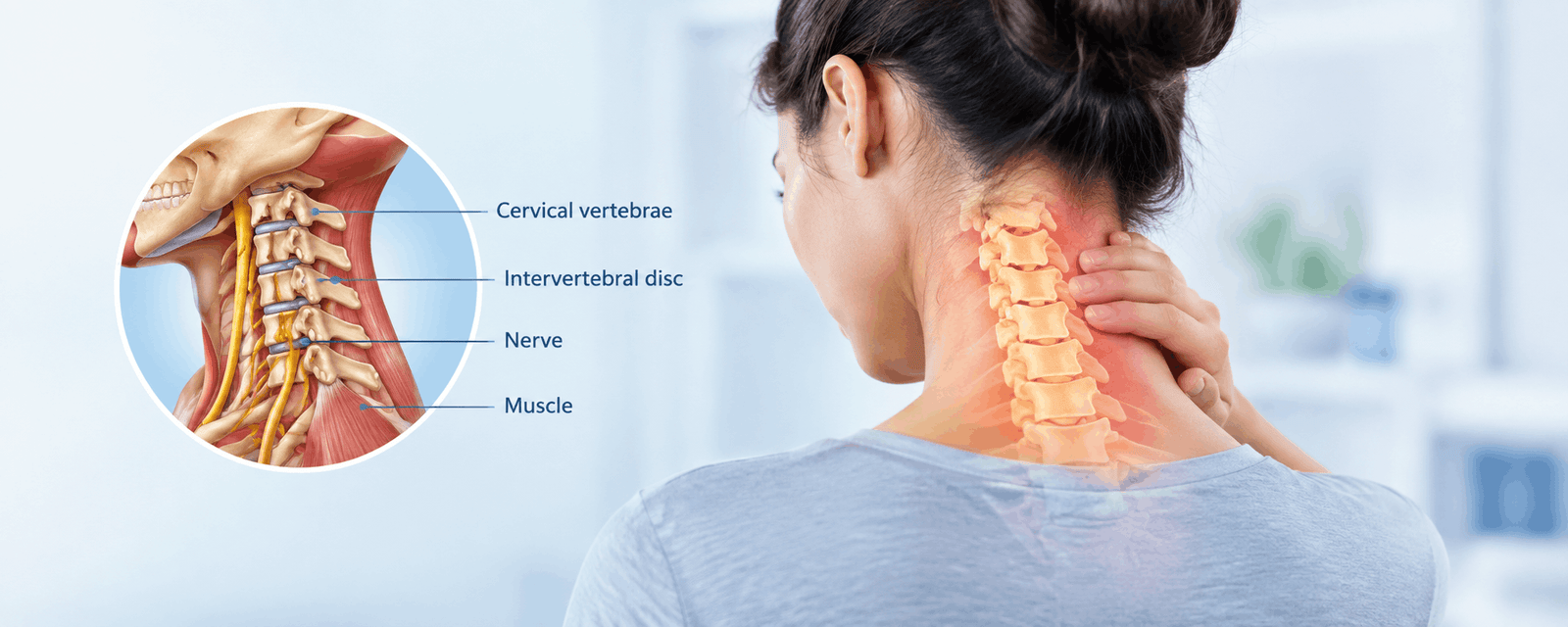 Neck pain refers to discomfort, soreness, or stiffness in the area between the head and the upper part of the spine. It can range from a mild ache or feeling of tightness to sharp or persistent pain that makes normal movements uncomfortable.
The neck contains muscles, bones, joints, discs, ligaments, and nerves that work together to support the head and allow movement. Problems affecting any of these structures can lead to pain. When a nerve is irritated or compressed, symptoms may also travel into the shoulder, arm, or hand and may include tingling, numbness, or weakness.
Neck pain can begin suddenly after an injury or awkward movement, or it can develop gradually because of poor posture, repetitive activities, or age-related changes in the cervical spine. Identifying the cause helps your doctor decide the most appropriate treatment.
What Causes Neck Pain?
Neck pain can develop for several reasons. Sometimes it is related to everyday habits such as prolonged phone use or sitting in one position for too long. In other cases, an injury, cervical spine changes, disc problems, or nerve irritation may be responsible.
1. Poor Posture
Spending several hours at a desk, using a laptop, or looking down at a phone can place extra stress on the muscles and joints of the neck. Keeping your head in the same position for a long time may gradually cause muscle tension, stiffness, and discomfort.
2. Muscle Strain
Neck muscles can become strained because of sudden movements, heavy lifting, exercise, repetitive activities, or overuse. Sleeping in an awkward position can also leave the neck muscles tight and sore when you wake up. This type of discomfort often improves as the muscles recover.
3. Neck Injuries
Falls, sports injuries, and road accidents can affect the muscles, ligaments, joints, or other structures in the neck. Whiplash is one common example and occurs when the head moves suddenly backward and forward during an impact. Pain and stiffness may appear immediately or develop later.
4. Cervical Spondylosis
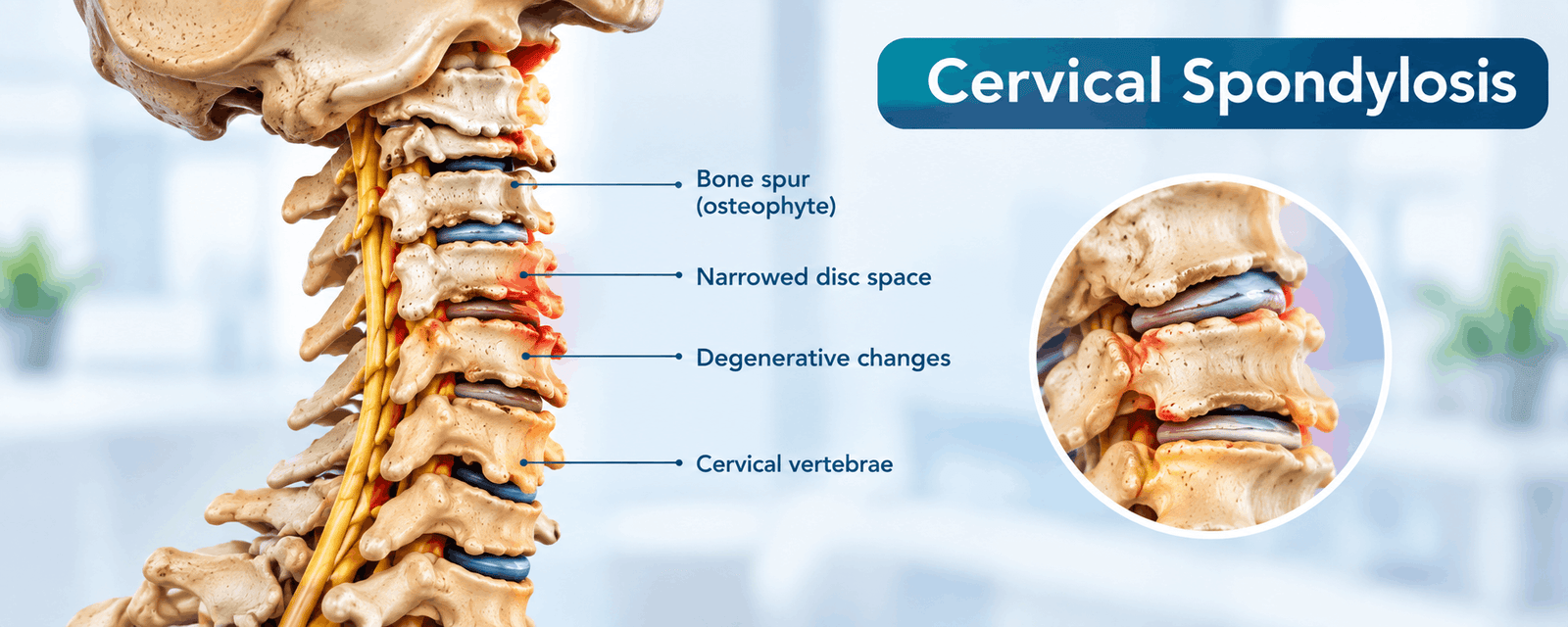 Cervical spondylosis involves age-related changes in the bones, discs, and joints of the neck. These changes can cause stiffness, reduced movement, and ongoing discomfort. In some people, they may also narrow the spaces around the nerves and contribute to pain, numbness, or other symptoms.
5. Herniated Disc
The discs between the bones of the neck act as cushions and help the spine move smoothly. When a disc becomes damaged or moves out of its normal position, it can irritate a nearby nerve. This may cause neck pain that travels into the shoulder or arm.
6. Pinched Nerve
A nerve in the neck can become compressed or irritated because of a disc problem, bone changes, or narrowing around the spinal nerves. A pinched nerve may cause neck pain along with tingling, numbness, or weakness in the shoulder, arm, or hand.
Symptoms of Neck Pain
Neck pain can feel different depending on its cause and severity. Some people experience only mild stiffness or soreness, while others may have symptoms that extend into the shoulders, arms, or hands.
Common symptoms include:
- Neck stiffness: Turning or bending the head may feel difficult or uncomfortable.
- Aching or soreness: The neck may feel tender, tight, or painful, particularly after sitting in one position for a long time.
- Muscle tightness: The muscles around the neck and shoulders may feel tense or unusually tight.
- Headaches: Neck muscle tension can sometimes contribute to headaches, especially around the back of the head.
- Shoulder pain: Discomfort may spread from the neck into one or both shoulders.
- Pain that travels to the arm: Irritation of a cervical nerve can cause pain to move from the neck into the shoulder, arm, or hand.
- Tingling or numbness: Nerve irritation may cause pins-and-needles sensations or reduced feeling in the arm or hand.
- Weakness: Significant nerve involvement may cause weakness in the arm or hand.
- Reduced neck movement: Pain or stiffness may make everyday movements, such as looking over your shoulder, difficult.
Persistent numbness, weakness, severe pain, or symptoms that appear after an accident should not be ignored. A healthcare professional can evaluate the symptoms and determine whether further treatment is needed.
How Is Neck Pain Diagnosed?
Diagnosing neck pain usually begins with a discussion about your symptoms and a physical examination. Your doctor may ask when the pain started, what makes it better or worse, whether you have had an injury, and whether you are experiencing numbness, tingling, or weakness.
During the examination, the doctor may check:
- Neck movement to see how comfortably you can turn, bend, and move your neck
- Tenderness and muscle tension to identify painful or tight areas
- Muscle strength to check for weakness in the arms, hands, or shoulders
- Reflexes and sensation to identify possible nerve irritation
- Posture to determine whether positioning habits may be contributing to the problem
Tests You May Need
Not everyone with neck pain needs imaging. If symptoms persist, occur after an injury, or suggest a problem involving the nerves or spine, your doctor may recommend tests such as:
- X-ray: Helps examine the bones and identify certain structural or age-related changes.
- MRI: Provides detailed images of the discs, nerves, spinal cord, and other soft tissues.
- CT scan: Provides detailed images of the bones and may be useful for certain injuries or spinal conditions.
The tests recommended depend on your symptoms, medical history, and physical examination. Your doctor can determine whether further investigation is necessary.
What Are The Treatment Options For Neck Pain?
 Treatment depends on the cause, severity, and duration of the symptoms. Many people improve with simple measures and non-surgical treatment, while persistent pain or nerve-related symptoms may require more targeted care.
Gentle Movement
Keeping the neck completely still for long periods can sometimes increase stiffness. Gentle movement within a comfortable range can help maintain mobility. However, movements that increase pain should be avoided, particularly after an injury.
Pain Management
Pain management may include medicines recommended by a doctor to reduce pain or inflammation. Heat or cold therapy may also provide temporary relief for some people. The appropriate approach depends on the cause of the pain and your overall health.
Stretching
Gentle stretching can help loosen tight neck and shoulder muscles and improve flexibility. Stretches should be performed slowly without forcing the neck. If a movement causes sharp pain, numbness, or tingling, stop and seek medical advice.
Exercises
Specific exercises can help improve neck strength, flexibility, and support around the cervical spine. A doctor or physiotherapist can recommend exercises suited to your condition. Regularly performing appropriate exercises may also help reduce the chance of recurring neck pain.
Nerve Blocks
When neck pain is related to nerve irritation and does not improve with other treatments, a specialist may consider a nerve block or another targeted injection. These procedures are used selectively after the likely source of the pain has been identified.
Surgical Treatment
Most cases of neck pain do not require surgery. However, surgery may be considered when there is significant pressure on a nerve or spinal cord, certain structural problems, or symptoms that continue despite appropriate non-surgical treatment. The type of surgery depends on the underlying condition and the patient’s symptoms.
How Can You Prevent Neck Pain?
Not every cause of neck pain can be prevented, particularly injuries or age-related changes. However, simple daily habits can reduce unnecessary strain and help lower the risk of recurring discomfort.
- Maintain good posture: Keep your head and neck in a comfortable position while sitting, standing, and working.
- Keep screens at eye level: Position your computer or laptop screen so you do not have to bend your neck forward for long periods.
- Take regular breaks: If you work at a desk or use your phone for long periods, take short breaks and move your neck and shoulders.
- Change positions: Avoid keeping your head in the same position for extended periods.
- Use a supportive pillow: Choose a pillow that keeps your neck comfortable and supported while sleeping.
- Sleep comfortably: Avoid sleeping in positions that leave your neck twisted or bent.
- Exercise regularly: Maintain strength and flexibility in your neck, shoulders, and upper body.
- Lift carefully: Use proper technique when lifting heavy objects and avoid sudden movements that strain the neck.
These habits can help keep your neck mobile and reduce the strain that often contributes to discomfort.
When Should You Consult A Doctor for Neck Pain?
 If neck pain continues despite basic care or starts interfering with your daily activities, it may be time to consult an orthopedic doctor. A specialist can assess whether the pain is related to the muscles, cervical spine, discs, joints, or nerves and recommend treatment based on the underlying cause.
Consider consulting an orthopedic doctor if you experience:
- Neck pain that continues for several weeks
- Repeated episodes of neck pain or stiffness
- Pain that spreads into the shoulder or arm
- Numbness, tingling, or weakness in the hands or arms
- Difficulty moving your neck normally
- Neck pain following an accident or injury
- Symptoms that do not improve with basic treatment
If you are experiencing persistent neck pain in Hyderabad, Dr. Aravind Gandra, a spine and orthopaedic specialist, at Cure Super Speciality Spine & Orthopedic Hospital, Chandanagar, Hyderabad can evaluate your symptoms, identify the possible cause, and recommend a suitable treatment based on your condition.
Frequently Asked Questions About Neck Pain
1. What is the most common cause of neck pain?
Poor posture, muscle strain, and prolonged use of computers or smartphones are common causes of neck pain. However, injuries, cervical spondylosis, disc problems, and nerve irritation can also cause neck discomfort.
2. How long does neck pain usually last?
The duration depends on the underlying cause. Mild neck pain caused by muscle strain or an awkward sleeping position may improve within a few days or weeks. Persistent or recurring pain may need medical evaluation to identify the cause.
3. Can neck pain cause headaches?
Yes. Tight or strained muscles in the neck can sometimes contribute to headaches, particularly pain felt around the back of the head. However, recurring or severe headaches should be evaluated to determine the underlying cause.
4. Can neck pain spread to the shoulder or arm?
Yes. Neck pain can sometimes extend into the shoulder, arm, or hand, particularly when a nerve in the cervical spine is irritated or compressed. Numbness, tingling, or weakness may also occur.
5. Can neck pain be treated without surgery?
Yes. Many cases of neck pain can be managed without surgery using appropriate activity changes, pain management, stretching, exercises, physiotherapy, and other conservative treatments. Surgery is generally considered only for certain conditions that do not respond to non-surgical treatment or involve significant nerve or spinal cord problems.
6. Which doctor can I consult for neck pain in Hyderabad?
Dr. Aravind Gandra is an orthopaedic and spine surgeon practicing in Chandanagar, Hyderabad. Patients with persistent neck pain, cervical spine conditions, or symptoms that may involve the nerves can consult a qualified spine specialist for evaluation and appropriate treatment.
Conclusion
Neck pain can develop from everyday habits such as poor posture, prolonged screen use, muscle strain, or an awkward sleeping position. It can also be associated with cervical spondylosis, disc problems, injuries, or nerve irritation.
Most mild cases improve with appropriate care, but persistent or worsening symptoms should not be ignored. Numbness, tingling, weakness, severe pain, or symptoms following an injury are reasons to seek professional evaluation.
If you need evaluation for a neck or spine problem in Hyderabad, Dr. Aravind Gandra at Cure Super Speciality Ortho & Spine Clinic, Chandanagar can assess your symptoms and guide you toward appropriate treatment.